
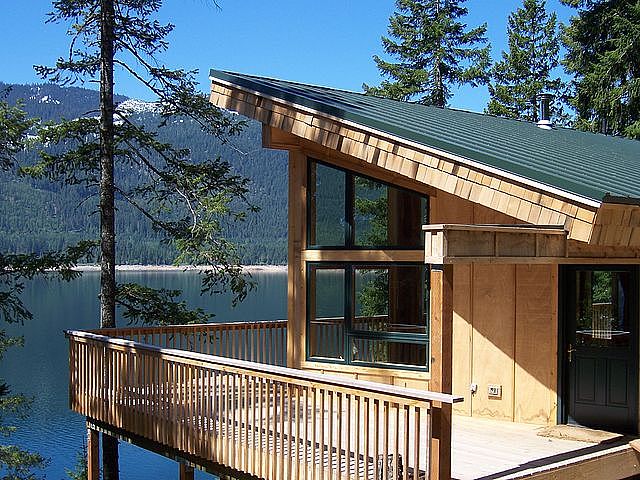
Imagine a home that produces as much energy as it uses over the course of a year. That is a zero energy home — sometimes called “net zero.” It is not science fiction, and it is more affordable than most people think.
How a zero energy home works
Zero energy design is not one product. It is a way of designing the whole house so every part works together:
- Use the site. Orient the home and its windows to take advantage of the sun in winter and avoid overheating in summer.
- Build a tight, well-insulated shell. Air sealing and good insulation are the cheapest energy you will ever “produce,” because energy you do not lose never has to be replaced.
- Choose efficient systems. Heat pumps, efficient water heating, good ventilation and LED lighting cut the load further.
- Produce the rest on site. Once the home needs very little energy, a modest solar array can cover what is left.

Most zero energy homes stay connected to the utility grid. They send extra power out on sunny days and draw power back at night or in winter. Over a full year, it balances out.
Does it cost more?
Some features cost more up front. Others — like orientation and good design — cost little or nothing if they are planned from the start. The order matters: make the home efficient first, then add solar. Trying to solar-panel your way out of a leaky house is the expensive route.
Utility rebates and tax incentives change often, so check what is available when you are ready to build.
Zero energy, or zero energy ready?
Not every budget can include solar on day one. A “zero energy ready” home has the efficient shell and systems in place, plus the roof space and wiring for solar later. It is a smart way to get most of the benefit now and finish the job when it makes sense.
One of our clients on Lake Kachess took it all the way: his hillside home is completely off grid, powered by solar panels with propane backup.
Planning a new home, remodel or addition? Steve offers a free, no-pressure consultation. Call 928-444-7447 (Arizona) or 509-607-0300 (Washington), email steve@stevesenger.com, or send a message.