

Table of Contents
- What Sustainable Architecture Consulting Delivers for Developers
- Green Building Certification Services for Developers
- Net-Zero Building Design Consultants: Scope and Capabilities
- Cost-Benefit Analysis of Sustainable Architecture
- Selecting the Right Sustainable Architecture Consultant
- How Consultants Prove Performance and Deliver Results
- Frequently Asked Questions
Last Updated: October 2, 2026
What Sustainable Architecture Consulting Delivers for Developers
Sustainable architecture consulting for developers bridges environmental responsibility and profitability by focusing on mechanical design, energy performance, and regulatory compliance, the technical foundations that determine actual building performance.
Developers face a core tension: sustainability costs money upfront, but buyers demand it. The question is how to build green efficiently without eroding margins, where sustainable architecture consulting becomes strategic.
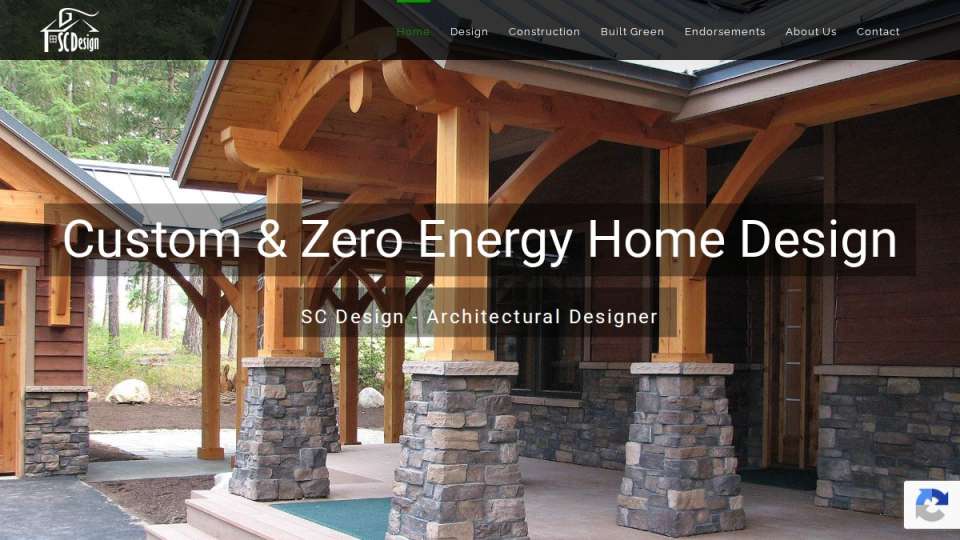
SC Design combines Zero Energy Design expertise with mechanical systems integration, treating energy modeling and performance analysis as baseline for competitive positioning.
Energy Modeling and Performance Analysis
Energy modeling predicts real-world building performance by accounting for climate, occupancy, equipment efficiency, and envelope properties. Without it, you’re estimating, not guaranteeing performance.
A solid energy model identifies high-impact decisions: upgrading insulation from R-15 to R-20 saves 3% on heating, while optimizing HVAC sizing and controls saves 18%, showing which investments deliver returns.
Commissioning verifies that mechanical systems operate as designed, separating promised from actual performance. Many buildings underperform by 15-25% due to improper startup tuning. Post-occupancy evaluation measures real consumption against the model, revealing adjustment opportunities.
Mechanical Design and Building Systems Integration
Mechanical systems determine energy performance. Undersized or oversized HVAC wastes energy; improper ductwork creates dead zones; refrigerant charge errors reduce efficiency by 5-10%.
Specialized consultants design systems that integrate with the building envelope. A well-sealed, insulated envelope allows smaller, efficient equipment, reducing both capital and operating costs. Coordination between architectural and mechanical design is where most projects fail and expert consulting adds most value.
Building envelope performance matters as much as equipment selection. Air leakage, thermal bridging, and window performance affect mechanical loads. Consultants who understand both catch conflicts early, before expensive change orders.
Green Building Certification Services for Developers
Certifications like LEED and Built Green™ are market expectations, not differentiators. They signal performance and attract institutional buyers, but pursuing them without cost-benefit analysis wastes money on misaligned credits.
LEED Certification and Compliance Pathways
LEED requires meeting baseline performance plus accumulating points across categories, incentivizing some choices (water efficiency, site selection) while making others expensive (materials, commissioning).
The key decision is which LEED level to target. Certified costs less than Gold, but Gold justifies higher pricing and attracts institutional buyers. Platinum is rarely cost-effective for residential. A consultant understanding your buyer profile recommends the right target level.
Building codes set minimum energy standards; LEED sits atop that baseline. In many jurisdictions, meeting code puts you 60% toward LEED Certified without additional cost if planned from the start.
Built Green™ and Regional Standards
Built Green™ emphasizes energy efficiency, water conservation, and indoor environmental quality, rewarding practical choices buyers value: lower utility bills, better air quality, reduced maintenance.
Regional standards vary significantly. California Title 24 is stricter than other states; the IECC sets a national baseline with varying adoption. A consultant familiar with your market understands which standards drive your project.
Environmental impact assessment considers embodied carbon, water usage, construction waste, and durability. Whole life cycle costing reveals that higher-performance materials often pay for themselves through reduced replacement and maintenance.
Net-Zero Building Design Consultants: Scope and Capabilities
Net-zero carbon buildings produce as much renewable energy as they consume annually. It’s an ambitious target that requires excellence in both efficiency and renewable integration. Not every project should pursue net-zero, but for those that do, specialized consulting is essential.
Zero Energy Design Principles and Implementation
Zero Energy Design starts with aggressive efficiency: superior insulation, airtight construction, high-performance windows, and optimized systems. Renewable energy becomes cost-effective only after maximizing efficiency.
Implementation sequence matters. A ZED consultant designs for minimal energy first, then sizes renewables to match actual demand, reducing complexity and cost while improving resilience.
On-site renewable integration requires coordination with electrical, structural, and mechanical systems. Consultants with ZED experience understand trade-offs: smaller batteries with smart load management often outperform larger ones with poor controls.
Decarbonization and Carbon Management Strategy
Decarbonization strategies address operational carbon (energy) and embodied carbon (materials). Operational carbon dominates over 50 years, but embodied carbon grows more important as buildings become efficient.
Carbon management strategy involves setting targets, identifying high-impact decisions, and tracking progress. A consultant quantifies carbon impacts: switching to heat pump heating reduces operational carbon by 40%; sustainably harvested lumber reduces embodied carbon.
Portfolio decarbonization requires standardized approaches and benchmarking. Consultants establish templates enabling consistent carbon reduction across projects without redesigning each.
Cost-Benefit Analysis of Sustainable Architecture
High-performance buildings cost 2-8% more than code-minimum construction. The real question is whether that premium translates to value capture through higher pricing, faster sales, or lower operating costs.
Whole Life Cycle Costing and Long-Term Value
Whole life cycle costing accounts for capital, operating, maintenance, replacement, and residual value over 30-50 years. High-efficiency HVAC costs more upfront but uses less energy and requires less maintenance.
Showing buyers that a $15,000 efficiency upgrade reduces annual utility costs by $1,200 (7-8% ROI) justifies the premium. Developers who quantify returns see faster sales and reduced negotiation.
Material durability reduces long-term costs.
Demonstrating ROI to Buyers and Stakeholders
Buyers respond to concrete numbers: monthly utility costs, long-term savings, resale value. A consultant models outcomes and provides documentation supporting claims. Energy Star, LEED, and performance guarantees make value tangible.
Selecting the Right Sustainable Architecture Consultant
Not all consultants are equally equipped to serve developers. Firm size, specialization, and track record all matter. A consultant with deep mechanical design expertise will catch integration issues that a generalist might miss. A firm experienced with your building type, multifamily, custom homes, prefab, understands the constraints and opportunities specific to your work.

Evaluating Firm Size, Specialization, and Track Record
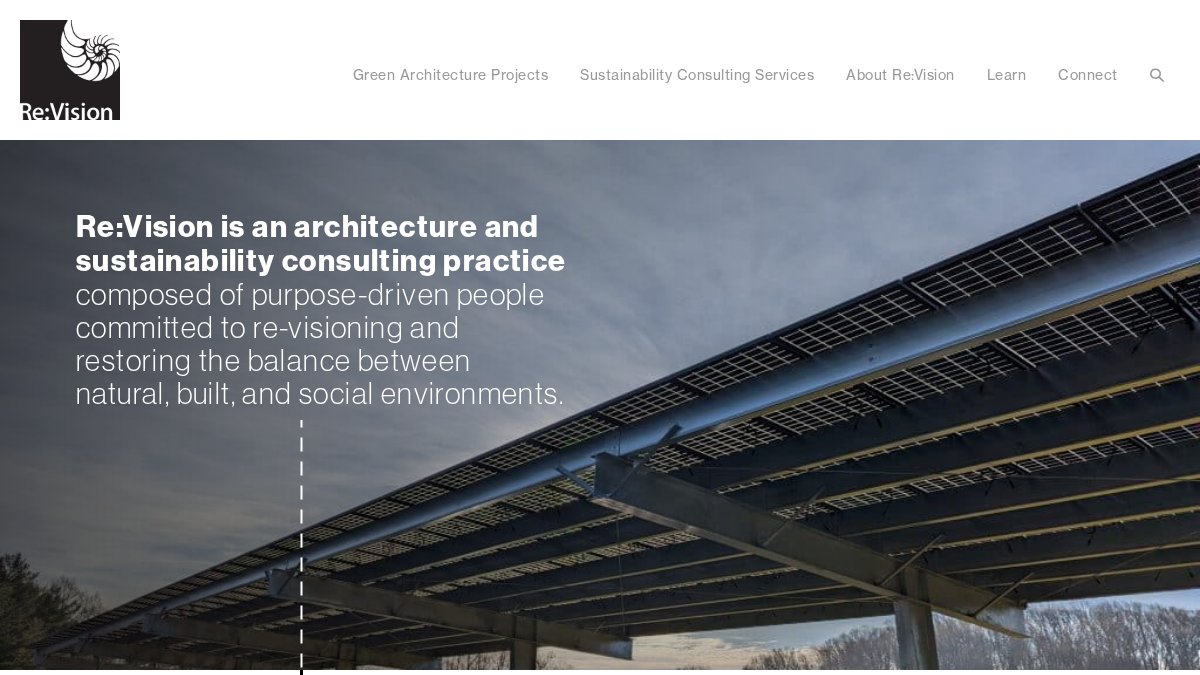
Large global firms bring extensive resources and regulatory expertise, but they’re structured for complex commercial projects and institutional clients. Their overhead makes them expensive for smaller residential developers. They excel at portfolio-wide sustainability strategy and complex compliance environments.
Assessing Technical Depth in Mechanical Design
Request a sample energy model and ask the consultant to explain the key assumptions and sensitivities. A good consultant will walk you through which design decisions have the biggest impact on performance and cost.
Certification and credentials matter, but less than demonstrated expertise. A consultant with PE licensure and LEED accreditation has met baseline standards, but real competence comes from experience. Ask about their approach to commissioning and post-occupancy evaluation, these reveal whether they care about actual performance or just design predictions.
How Consultants Prove Performance and Deliver Results
The gap between promised performance and actual performance is where trust breaks down. A consultant’s value includes not just design but verification. This means commissioning, monitoring, and adjustment.
Post-Occupancy Evaluation and Commissioning
Commissioning is the systematic process of verifying that building systems are installed correctly and operate as designed. It includes functional testing, control verification, and staff training. A building that’s commissioned typically performs 10-15% better than one that isn’t, because controls are optimized and operators understand the systems.
Buildings without commissioning often underperform by 15-25% because systems aren’t properly tuned. This gap directly impacts warranty claims, customer satisfaction, and the developer’s reputation.
Real-World Performance Data and Case Studies
A consultant who tracks actual building performance and shares the data demonstrates confidence in their work. Performance guarantees, where the consultant warrants that a building will meet specified energy targets, align incentives and reduce risk.
| Consultant Type | Best For | Key Strength | Consideration |
|---|---|---|---|
| Large Global Firms (WSP, HOK) | Portfolio strategy, institutional clients | Regulatory expertise, resources | Higher cost, less hands-on |
| Specialized Firms (SC Design) | Specific building types, mechanical depth | Technical expertise, track record | Smaller team, regional focus |
| Mid-Sized Practices | Balanced approach, accessible expertise | Resources plus relationships | Moderate cost and availability |
| Generalist Consultants | Code compliance, basic efficiency | Lower cost, quick turnaround | Limited technical depth |
Frequently Asked Questions
What does a sustainable architecture consultant do for developers?
Sustainable architecture consultants guide developers through energy modeling, mechanical system design, green building certification pathways, and decarbonization strategy. They help optimize building envelope performance, integrate renewable energy systems, ensure regulatory compliance with green codes, and deliver post-occupancy commissioning to verify that designed efficiency gains actually materialize in operation. For residential and institutional projects, this means reducing operational costs while improving indoor environmental quality and market appeal.
How does green building consulting impact project ROI?
Green building consulting improves ROI through whole life cycle costing analysis, which quantifies energy savings, reduced maintenance, lower utility bills, and premium pricing potential over 20-30 years. While upfront construction costs may increase, operational savings and enhanced asset value typically offset the premium within 5-10 years. Consultants help developers model these economics and present them to buyers, making the investment case clear and defensible against cost objections.
What are the key certifications sustainable consultants help developers achieve?
The primary certifications are LEED (Leadership in Energy and Environmental Design), ENERGY STAR, and regional standards like Built Green™. Consultants navigate compliance pathways, help coordinate documentation, and ensure building systems meet certification requirements for energy targets, indoor environmental quality, and environmental impact reduction. Certification demonstrates credibility to buyers, supports marketing claims, and often qualifies projects for incentives or tax credits.
Why should a smaller builder work with a specialized consultant rather than a standard MEP engineer?
Standard MEP engineers focus on code compliance and cost efficiency; specialized sustainable architecture consultants add expertise in zero energy design, whole building performance optimization, and green certification strategy. For smaller builders doing 15-20 homes annually, a specialized consultant helps differentiate projects, justify premium pricing, reduce buyer objections, and avoid costly redesigns due to performance shortfalls. They also provide market credibility and support for sustainability claims that generic MEP services cannot.
How do consultants prove that mechanical design actually delivers the efficiency gains promised?
Proof comes through post-occupancy evaluation and commissioning, where consultants verify that HVAC systems, building envelope performance, and renewable energy integration work as designed. Real energy bills, thermal imaging, and blower door testing confirm actual performance. Case studies with documented before-and-after data, third-party verification through LEED or ENERGY STAR certification, and long-term utility monitoring all demonstrate accountability and build confidence in the consultant’s technical claims.